Giving is everything because there are no pockets in a shroud: Dr Y Rakhi on Nidhi Vasandani’s podcast
Astrologer Dr Y Rakhi joins Nidhi Vasandani's podcast to share a moving philosophy on charity, gratitude, and karma - reminding us that the only thing we truly carry out of this world is how we treated others.
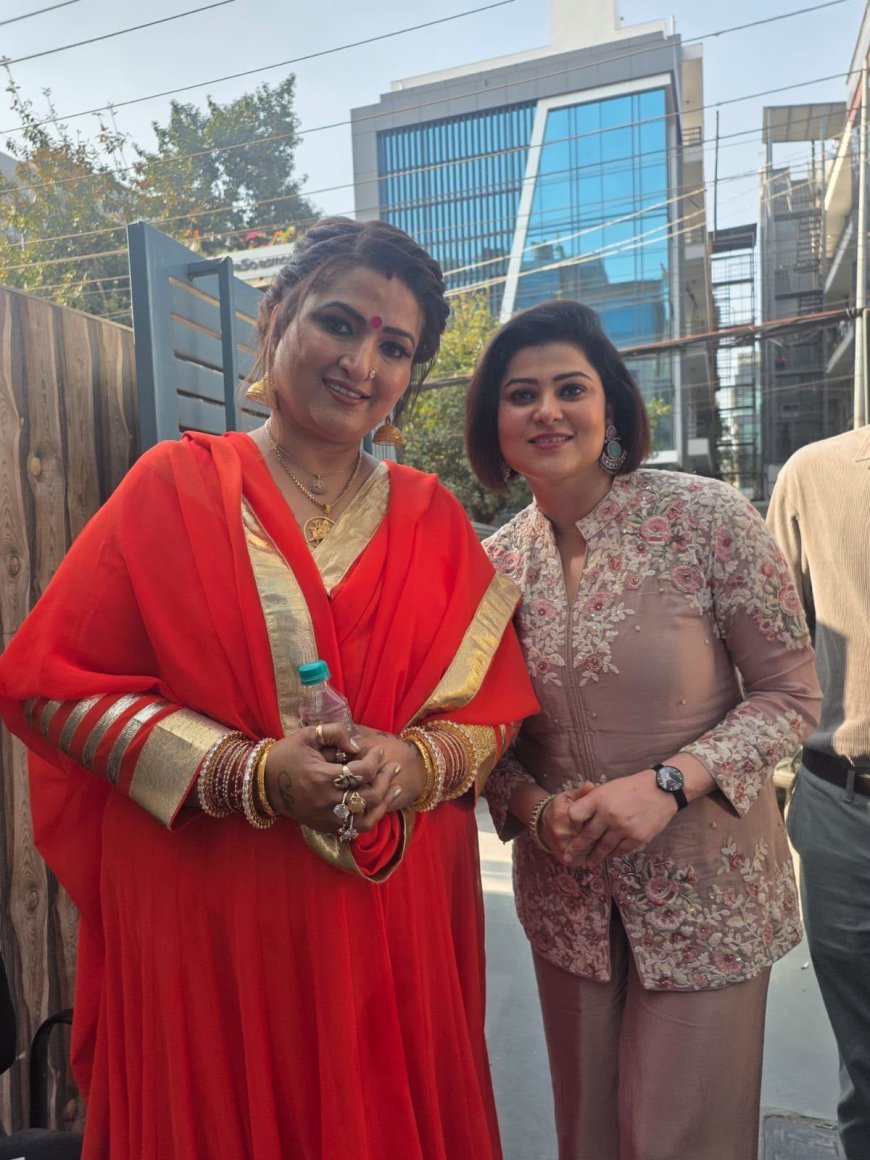
When astrologer Dr Y Rakhi sat down with podcast host Nidhi Vasandani, the conversation quickly moved beyond horoscopes and into something far more grounding - the philosophy of a life well-lived through giving, gratitude, and karma.
"We are all travelers in this world," Rakhi said, setting the tone early. "The more baggage you carry, the more difficult the journey becomes. Giving is everything because there are no pockets in a shroud. A person enters this world with a closed fist and leaves with open hands. The only thing that goes with us is our karma."
It was the kind of line that stops you mid-scroll - simple, ancient wisdom dressed in an image so vivid it needs no explanation.
Rakhi didn't confine charity to big gestures or financial donations. She described it as something woven into the quiet fabric of an ordinary morning. Before your first sip of tea, she suggested, scatter millet for the pigeons. Give a roti to a cow, some milk to a stray dog, food to the ants on your kitchen floor, a biscuit to the squirrels outside. "This is our moral responsibility," she said plainly, as though it were the most obvious thing in the world.
She turned her attention to the clutter most of us carry - not just emotional, but literal. "We buy ten sets of clothes and keep storing them. When winter ends, people pack away old clothes even if they no longer fit or are damaged. Instead, give them away. They may help someone next winter. Reduce your burden." The logic is hard to argue with.
For those who find temple rituals or religious events overwhelming, Rakhi offered a more accessible entry point. You don't need to bring offerings, she said. During Shivratri or Navratri, simply show up and help - clean the temple floor, wipe down the fans, put up the flags. "Remove the dust covering your own destiny through service," she said.
But perhaps the most disarming moment came when Rakhi described feeding a cow by hand. "Try it once," she said warmly. "Pass by the same route for the next few days. The cow will recognize your vehicle and come running toward you. It feels wonderful." There was no lecture in it - just an honest invitation.
On the question of gratitude, Rakhi traced its roots back to childhood and the examples adults set without realising it. If a mother respects her elders and touches their feet, the child learns reverence. If the family feeds birds together, the child grows up with compassion. "You teach a child how to behave," she said, "and the child learns from what they see."
She spoke of beginning each day with thanks - not a grand prayer, but a quiet acknowledgment. "O God, thank you. Thank you for giving me life. Thank you for letting me see this morning." It's a small ritual, but one she called essential.
When Vasandani pressed her on whether karma or destiny held more power, Rakhi didn't blink. "Only karma," she said. "Through karma, you can change your destiny. Charity is karma. Respect is karma. Love is karma. Putting a smile on someone's face is karma. If you focus on karma, destiny changes on its own."
She closed with a story - the kind that lingers. A tailor kept his scissors tucked into his cap. When his son asked why, the father replied: "Never cut people apart. If two people are fighting, make them friends. Join the threads. Join hearts. Connect people. Become someone who brings people together."
In a world that often rewards accumulation, Dr Y Rakhi's message cuts quietly against the grain: the things worth holding on to are the ones you've already given away.

The Cine Buzz is your go-to source for all things entertainment news, delivering comprehensive entertainment industry coverage. Regarding film and television exclusive gossip, movie reviews, box office collections, and exclusive interviews, The Cine Buzz is your ultimate destination.