Mumbai Faces 40-Day Water Crunch: Entrepreneur Gauravv Saxena Urges Citizens to "Treat Every Drop Like It's the Last"
Entrepreneur Gauravv Saxena speaks out on Mumbai's looming water crisis, urging citizens to adopt mindful habits and treat conservation as a shared responsibility amid dwindling reservoir levels.
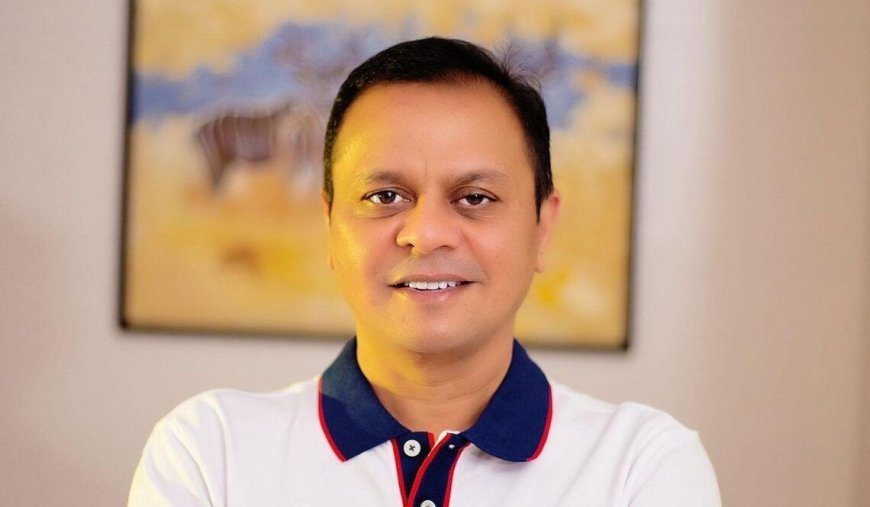
Mumbai is staring at a worrying water shortage, with reports suggesting the city's reservoirs may have only about 40 days of reserves left as delayed monsoon rains keep water levels critically low. Amid the growing concern, entrepreneur and content creator Gauravv Saxena has weighed in, describing the situation as an urgent wake-up call for residents to reassess how they use water in everyday life.
Saxena, who has lived and travelled extensively across Africa, Europe, and India, says the experience of seeing different water realities across the world has shaped his perspective on conservation.
Reacting to news that reservoir levels have fallen to roughly 10 percent, Saxena said the word that immediately came to mind was "urgency."
"It's a sobering reminder of how dependent we are on the rhythms of nature, specifically the monsoon, and how quickly a maximum city can become vulnerable," he said. "It shifts the perspective from convenience to survival very quickly."
A Disconnect Between City Life and Its Resources
Saxena believes much of the problem stems from how disconnected urban life has become from the actual source of water. According to him, most city residents rarely pause to consider what it takes for water to reach their homes.

The Cine Buzz is your go-to source for all things entertainment news, delivering comprehensive entertainment industry coverage. Regarding film and television exclusive gossip, movie reviews, box office collections, and exclusive interviews, The Cine Buzz is your ultimate destination.