When Screens Mirror Scams: How Indian Web Series Are Holding Up a Mirror to Digital Fraud
Indian web series like Jamtara, CTRL and Scam 1992 dramatize real-world cyber fraud, deepfakes and financial scams -blending entertainment with a timely warning about digital trust.
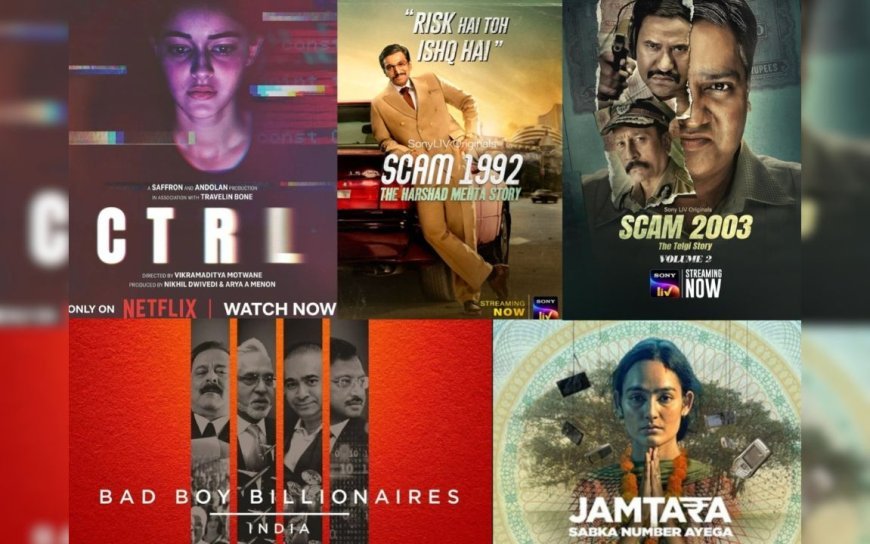
The internet has made life easier in countless ways - but it has also opened the door to a new breed of criminal, one who doesn’t need a weapon, just a phone, a script, and a victim’s misplaced trust. Digital arrest scams, deepfake videos, OTP frauds and AI-driven impersonation have moved from being rare headlines to everyday warnings. It’s fitting, then, that Indian cinema and streaming platforms have started telling these stories - not just to entertain, but to arm viewers with awareness.
A clutch of recent films and web series have taken on this task, each approaching the subject from a different angle.
“Jamtara: Sabka Number Ayega” remains one of the most talked-about examples, dramatizing how small-town fraudsters run sophisticated phishing operations over the phone - coaxing unsuspecting callers into revealing OTPs, card details and banking credentials. The show’s strength lies in showing just how ordinary and low-tech the execution often is, even when the damage is massive.

The Cine Buzz is your go-to source for all things entertainment news, delivering comprehensive entertainment industry coverage. Regarding film and television exclusive gossip, movie reviews, box office collections, and exclusive interviews, The Cine Buzz is your ultimate destination.