“Our Culture Holds Stories the World Needs to See”: Sheena Chohan on Her Award-Winning Turn in Sant Tukaram, Ahead of Its 2027 Re-Release
Sheena Chohan, Best Actress winner for Sant Tukaram, opens up on the film’s Feb 2027 re-release, playing Avali Jijabai, and India’s devotional cinema wave.

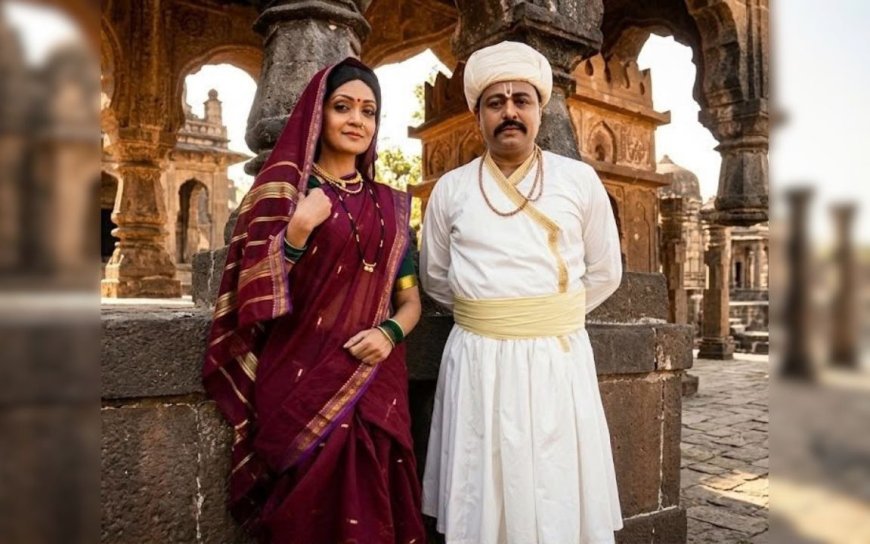
The Hindi biopic, which stars Subodh Bhave and Sheena Chohan, is heading back to theatres in February 2027 after a legal dispute cut short its original run - buoyed by the box-office momentum devotional cinema has found following Hanuman Ansh.
India’s appetite for stories rooted in its spiritual and cultural history shows no sign of slowing. On the back of Hanuman Ansh’s strong theatrical performance, director Aditya Om has confirmed that his 2025 film Sant Tukaram will return to Indian cinemas in February 2027, giving the biopic a second life after legal complications disrupted its initial release. A specific date has not yet been announced.
Sant Tukaram traces the life of the 15th-century poet-saint whose verses and teachings took direct aim at caste discrimination, preaching instead a message of faith, equality and devotion that still resonates in Maharashtra and beyond. The film originally opened in roughly 300 cinemas across India. In it, actress Sheena Chohan plays Avali Jijabai, Tukaram’s wife and a steady presence beside him in his social battles - a performance that recently earned her the Best Actress in a Leading Role award at Times Applaud in Mumbai.
Announcing the re-release, Om explained the decision to bring the film back now. “I am planning a February re-release of my 2025 film Sant Tukaram, starring Subodh Bhave and Sheena Chohan, after legal issues affected its theatrical run,” he said. “The film opened with good reviews but got stuck in some issues. Now, it’s the right time to bring the film back to theatres as I feel people should know about our greats.”
Ronit Raj is an entertainment journalist at The Cine Buzz, covering Bollywood, celebrity news, and lifestyle. With a passion for pop culture and an eye for compelling stories, he brings the latest from the world of Indian cinema straight to your screen.